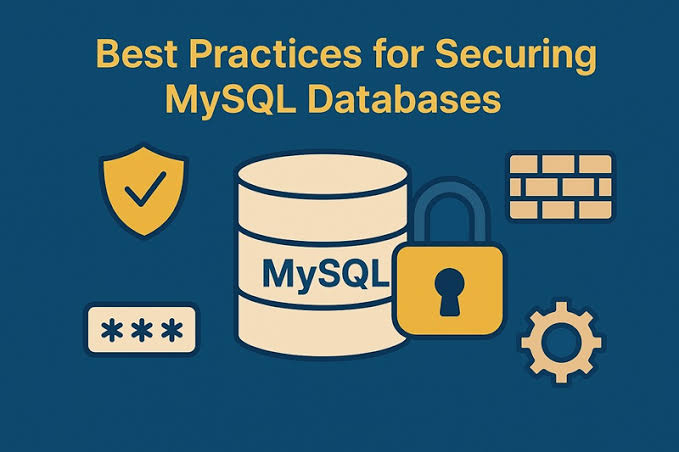
As cyber threats continue to evolve, securing your backend database is critical for any modern web application. When building enterprise systems using PHP 8 and MySQL, implementing robust defense mechanisms prevents catastrophic data breaches and protects user privacy.
1. Always Use Prepared Statements
Directly embedding user input into SQL queries creates a major vulnerability known as SQL Injection. By utilizing PDO or MySQLi with prepared statements, user input is treated strictly as data rather than executable code, completely neutralizing injection risks.
2. Secure Password Hashing
Never store plaintext passwords in your database. PHP 8 provides native, highly secure hashing algorithms like password_hash() and password_verify() using bcrypt or Argon2, ensuring that user credentials remain protected even if a database leak occurs.
3. Session Management & CSRF Protection
Web applications must enforce strict session controls, including secure HTTP-only cookies and unique anti-CSRF tokens for every state-changing request (such as logins or administrative updates) to block unauthorized cross-site actions.
Conclusion
Prioritizing database security during the initial development phase ensures long-term operational stability and builds immense trust with your clients and users.