Choosing the right server infrastructure is one of the most critical architectural decisions an enterprise or growing business can make. As data volumes expand and applications require 24/7 uninterrupted uptime, organizations frequently evaluate whether to deploy their systems on modern Linux cloud hosting environments or traditional on-premise physical servers.
Understanding On-Premise Infrastructure
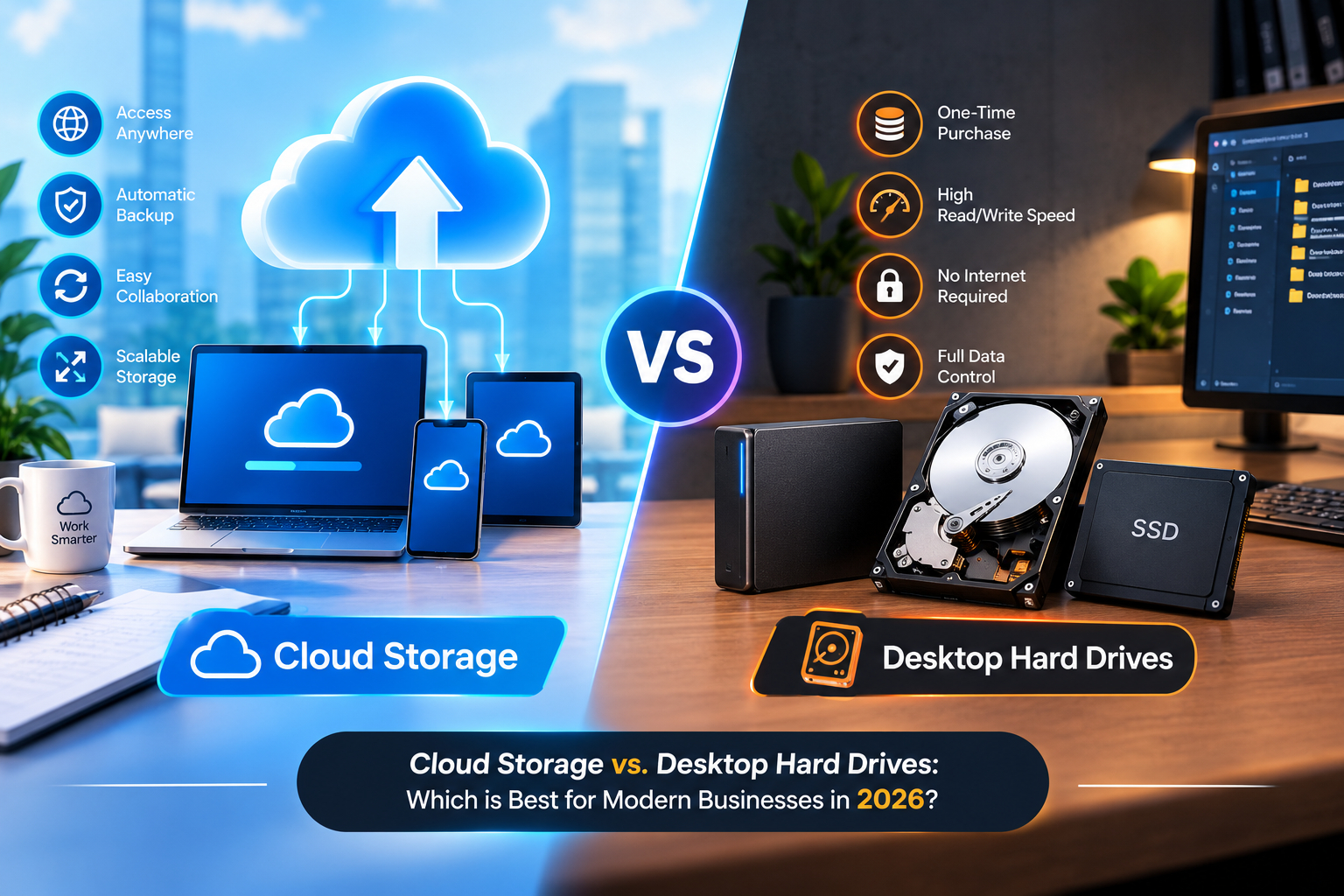
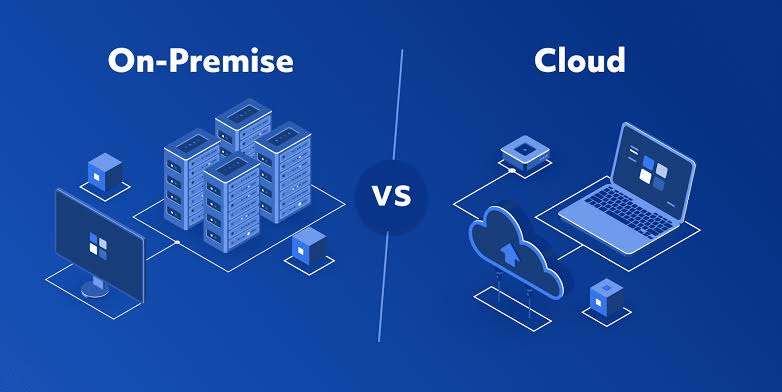
On-premise servers involve housing physical hardware, routers, and storage arrays directly inside the organization's office space. While this model gives the internal IT team complete physical control over the hardware, it comes with significant operational challenges:
- High Upfront Capital Expenditure (CapEx): Purchasing high-grade server racks, redundant power supplies, and enterprise hard drives requires heavy initial investment.
- Maintenance & Physical Security: Organizations must maintain dedicated, temperature-controlled server rooms and handle hardware failures manually.
- Scalability Limitations: Upgrading processing power or expanding storage capacity requires purchasing and installing new physical components, leading to operational downtime.
The Rise of Linux Cloud Hosting and VPS
Cloud infrastructure—such as scalable Virtual Private Servers (VPS), AWS, or DigitalOcean instances running optimized Linux distributions—shifts the paradigm entirely toward flexibility and reliability:
- Operational Expenditure (OpEx) Model: Businesses pay a predictable monthly or annual subscription fee, eliminating large upfront hardware costs.
- Instant Scalability: RAM, CPU cores, and storage volumes can be scaled up or down within minutes via automated cloud dashboards without hardware replacement.
- Redundancy & Automated Snapshots: Enterprise cloud hosting offers automated daily backups, multi-region failovers, and robust disaster recovery protocols that safeguard business data against hardware crashes.
Security and System Administration
Security is a primary concern for both models. While on-premise servers keep data physically inside the building, they remain vulnerable to local physical disasters, power grid failures, and lack built-in geographic redundancy. Conversely, cloud servers utilize enterprise-grade firewalls, isolated virtual environments, and encrypted data centers managed by certified security professionals.
Conclusion
For modern enterprises, startups, and educational institutions looking for high availability, seamless scalability, and lower maintenance overhead, Linux cloud hosting provides a far superior and future-proof foundation compared to rigid on-premise hardware.